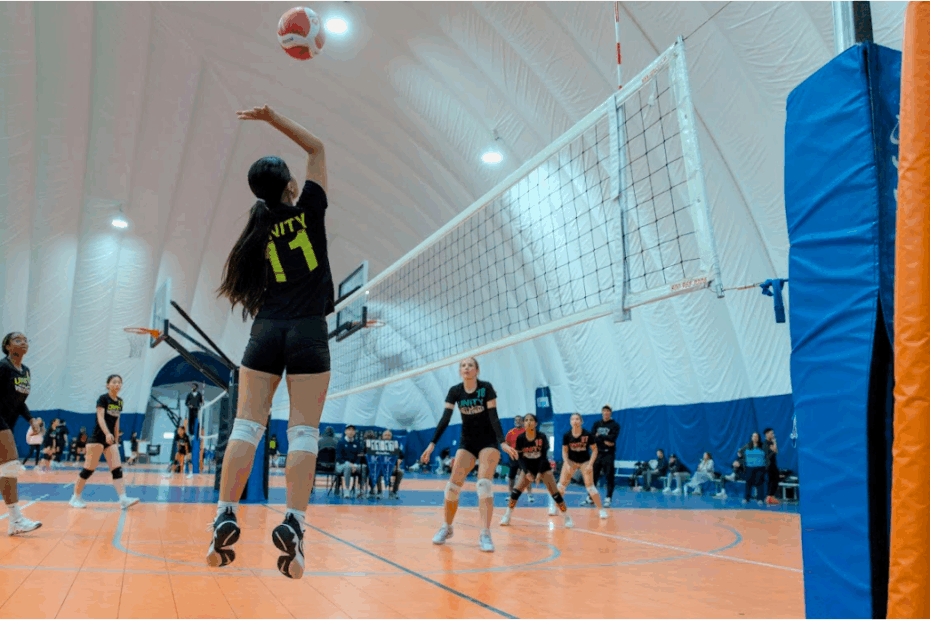
The Enduring Relevance of LTAD in Today’s Athletic Landscape
As we navigate through 2025, the principles of Long-Term Athletic Development continue to serve as the cornerstone of effective youth sports programming, yet their application has evolved significantly from the original Canadian Sport for Life model introduced in the early 2000s. Unity Volleyball’s comprehensive approach already mirrors the established LTAD framework, yet parents and newly appointed coaches frequently seek deeper understanding of our methodological approach. The updated LTAD 3.0 framework provides compelling evidence-based answers to these inquiries, backed by two decades of research and practical application across multiple sports and cultural contexts.
The modern athletic landscape presents unique challenges that make LTAD principles even more critical than when first conceived. Today’s youth face unprecedented levels of early specialization pressure, driven by competitive club systems, scholarship aspirations, and social media influence. Simultaneously, declining physical literacy rates among children—evidenced by reduced fundamental movement skills and increased sedentary behavior—make developmentally appropriate athletic programming more essential than ever.
Core Principles That Drive Athletic Excellence
“Athletic development is a marathon, not a sprint.” This foundational principle addresses one of the most pervasive issues in
contemporary youth sports: the rush toward competitive success at the expense of long-term development. Research consistently demonstrates that premature specialization significantly elevates burnout rates among young athletes, with studies indicating that athletes who specialize before age 12 are 70% more likely to experience serious overuse injuries and demonstrate 50% higher dropout rates by age 15.
The marathon metaphor extends beyond injury prevention to encompass neurological development, skill acquisition, and
psychological resilience. Young athletes’ nervous systems require years of varied movement experiences to develop the neural
pathways necessary for complex sport-specific skills. When we accelerate this process through early specialization, we create
athletes with narrow skill sets and limited adaptability—characteristics that become increasingly problematic as competition levels intensify.
“Technical proficiency precedes tactical complexity.” This principle reflects our understanding of how motor learning occurs in
developing athletes. Age-appropriate skill development blocks yield superior long-term outcomes compared to advanced tactical systems introduced before athletes reach critical developmental windows. The brain’s capacity for processing complex tactical information while simultaneously executing technical skills is limited in younger athletes, making it essential to establish technical foundations before layering tactical complexity.
Consider the example of attacking in volleyball: young athletes must first develop proper approach patterns, timing, and contact
mechanics before they can effectively process information about block positioning, court coverage, or set variations. When coaches introduce complex offensive systems before technical foundations are secure, they create athletes who may appear tactically sophisticated but lack the technical precision necessary for high-level performance.
“Holistic athlete development encompasses the complete individual.” Contemporary LTAD models integrate social-emotional
competencies—including leadership capacity, psychological resilience, and effective communication—as fundamental components rather than supplementary additions. This holistic approach recognizes that athletic success at higher levels depends increasingly on mental and emotional capabilities, not just physical and technical skills.
The integration of character development within athletic programming serves multiple purposes: it creates more resilient athletes capable of handling competitive pressure, develops transferable life skills that benefit athletes beyond sport, and establishes positive team cultures that enhance performance outcomes. Research in sport psychology demonstrates that athletes with well-developed emotional regulation skills perform 23% better under pressure situations compared to those with limited emotional competencies.
Unity Volleyball’s Strategic Alignment with LTAD Principles
Our program structure deliberately corresponds with established developmental stages, but goes beyond simple age categorization to incorporate individual developmental considerations, recognizing that chronological age rarely aligns perfectly with developmental readiness.
Learn-to-Train Phase (Ages 9-12) – U12 Academy Program
This critical developmental stage focuses on movement literacy and skill acquisition during the optimal learning window.
Station-based training sessions maximize ball-contact frequency while emphasizing fundamental movement patterns and
enjoyment-centered learning experiences. The neuroscience behind this approach is compelling: children’s brains during this
developmental stage demonstrate exceptional neuroplasticity, allowing for rapid motor skill acquisition when presented with
appropriate stimuli.
Our U12 Academy programming incorporates deliberate play principles, recognizing that structured fun activities contribute more effectively to skill development than rigid drill repetition. Sessions include multi-directional movement patterns that develop agility, balance, coordination, and speed—the fundamental capacities that underpin all future athletic development. We deliberately avoid scorekeeping and ranking systems that can create performance anxiety and reduce intrinsic motivation.
The emphasis on ball-touch density reflects research indicating that skill acquisition requires thousands of quality repetitions.
Traditional coaching approaches often involve significant waiting time and limited active participation. Our station-based model ensures every athlete receives maximum practice opportunities while maintaining engagement through variety and appropriate challenge levels.
Train-to-Train Phase (Ages 13-15) – Select Program
This stage coincides with the onset of adolescence and represents the optimal window for developing sport-specific skills and introducing systematic training principles. Comprehensive positional exposure combined with introductory physical preparation protocols helps athletes discover their optimal roles while building the physical foundations necessary for higher-level performance. We deliberately avoid year-round single-sport specialization during this phase, encouraging multi-sport participation to develop diverse movement patterns and prevent overuse injuries. Research from the American Academy of Pediatrics strongly supports this approach, indicating that athletes participating in multiple sports demonstrate superior overall athleticism and reduced injury rates compared to early specialists. Physical preparation during this stage focuses on movement quality rather than intensity, introducing proper lifting techniques, injury prevention protocols, and recovery strategies. As adolescents experience rapid growth spurts, maintaining movement quality becomes essential for preventing injury and ensuring continued skill development.
Train-to-Compete Phase (Ages 16-18) – Rep Program
The final preparatory stage before potential elite competition focuses on role specialization, athlete-driven goal-setting frameworks, and sophisticated video feedback systems. Athletes at this level demonstrate readiness for increased training loads, complex tactical systems, and competitive pressure. Focused role specialization allows athletes to develop the depth of skill and tactical understanding necessary for high-level competition. However, specialization at this stage builds upon the broad foundation established in earlier phases, creating athletes with both depth and versatility.
Athlete-driven goal-setting reflects the developmental shift toward autonomy and self-directed learning that characterizes late
adolescence. By involving athletes in establishing their own performance objectives and development pathways, we create
intrinsically motivated individuals who take ownership of their athletic journey.
Three Strategic Enhancements for the 2025-26 Season
Enhanced Physical Literacy Integration
Every training session will commence with a structured 5-minute multi-directional movement circuit designed to develop fundamental movement competencies across all planes of motion. This enhancement addresses the declining physical literacy rates observed in contemporary youth populations while establishing movement foundations that transfer to all athletic activities. The circuits incorporate movements rarely experienced in daily life: lateral shuffling, backward running, jumping with directional changes, and multi-planar reaching patterns. These movement experiences activate neural pathways that enhance proprioception, balance, and coordination—capacities that directly impact volleyball performance while reducing injury risk. Progressive overload principles guide circuit development, ensuring appropriate challenge levels while maintaining movement quality. Athletes advance through increasingly complex movement combinations as their competency develops, creating a systematic pathway for physical literacy enhancement.
Comprehensive Parent Education Initiative
Concise educational content that demystifies each LTAD developmental stage enables families to provide appropriate support and reinforcement within the home environment. Parent understanding and support significantly impact athlete development outcomes, yet many families lack knowledge about developmental principles and appropriate expectations. Our video series addresses common misconceptions about youth sports development: the myth of early specialization benefits, the importance of process-focused rather than outcome-focused feedback, and the role of failure in learning. Parents learn to recognize developmental readiness indicators and adjust their support strategies accordingly. The educational initiative extends beyond volleyball-specific content to address broader topics: managing competitive stress, supporting intrinsic motivation, and maintaining perspective during challenging periods. Research consistently demonstrates that parental behavior significantly influences young athletes’ enjoyment, motivation, and continued participation in sport.
Comprehensive Growth Monitoring Systems
Athlete-managed metric tracking including vertical jump performance, rate of perceived exertion, and sleep quality data, seamlessly integrated with Hudl’s analytical platform, provides objective feedback about development progress while teaching athletes to monitor their own readiness and recovery. The monitoring system serves multiple purposes: identifying athletes at risk for overtraining, tracking physical development progress, and educating athletes about factors that influence performance. Athletes learn to recognize relationships between sleep quality, nutrition, and training performance—knowledge that transfers to all areas of life. Data collection focuses on trends rather than absolute values, helping athletes understand that development occurs in waves rather than linear progressions. This understanding reduces anxiety during temporary performance plateaus while maintaining focus on long-term development objectives.
Implementation Challenges and Solutions
Successful LTAD implementation faces several common obstacles that require proactive planning and systematic solutions. The pressure for immediate competitive success often conflicts with developmental principles, creating tension between short-term results and long-term athlete welfare. Communication represents the most critical implementation factor. Coaches, parents, and athletes must understand and commit to developmental principles even when they appear to sacrifice immediate competitive advantages. Regular education sessions, transparent communication about program philosophy, and consistent application of principles help maintain commitment during challenging periods. Assessment and evaluation systems must align with developmental objectives rather than competitive outcomes. Traditional metrics like win-loss records or tournament rankings provide limited insight into developmental success. Our evaluation framework emphasizes individual skill progression, enjoyment levels, and continued participation rates as primary success indicators.
Looking Forward: The Future of Athletic Development
The integration of technology, enhanced understanding of individual differences, and evolving cultural expectations will continue shaping LTAD implementation. Wearable technology provides unprecedented insight into training loads, recovery patterns, and performance trends, enabling more individualized programming approaches. Mental health awareness has elevated the importance of holistic athlete development, recognizing that psychological wellness must be prioritized alongside physical capabilities. Future LTAD models will likely incorporate explicit mental health support systems and emotional intelligence development as core components. The democratization of high-quality coaching education through online platforms and video analysis tools creates opportunities for more consistent LTAD implementation across all program levels. Unity Volleyball’s commitment to evidence-based development practices positions our athletes for success in an evolving athletic landscape.
An LTAD-aligned club creates confident, healthy, life-long athletes—not just winning teams
LTAD 3.0, Volleyball Canada This foundational principle captures the essence of our developmental philosophy: success extends far beyond competitive achievements to encompass personal growth, lifelong health habits, and positive sport experiences that influence individuals long after their competitive careers conclude.
416 985 6959
admin@unitysports.ca
Offering programs in Markham | Scarborough | Thornhill | Vaughan | Woodbridge